The digital age has transformed the way individuals build careers, influence audiences, and generate income. Today, a personal brand is no longer just a reputation or a social media presence—it can become a thriving business. Athletes, content creators, entertainers, entrepreneurs, and public figures have discovered that their names, expertise, and personalities hold significant commercial value.
A personal brand begins with an individual’s unique skills, story, and audience connection. Over time, that influence can evolve into products, services, partnerships, and even large-scale companies. The transition from talented individual to business owner is one of the most important trends in modern entrepreneurship.
This article explores how personal brands become businesses, the steps involved in that transformation, and examples from athletes, creators, Anissa Kate porn creator, and other well-known personalities who have successfully turned their personal influence into sustainable enterprises.
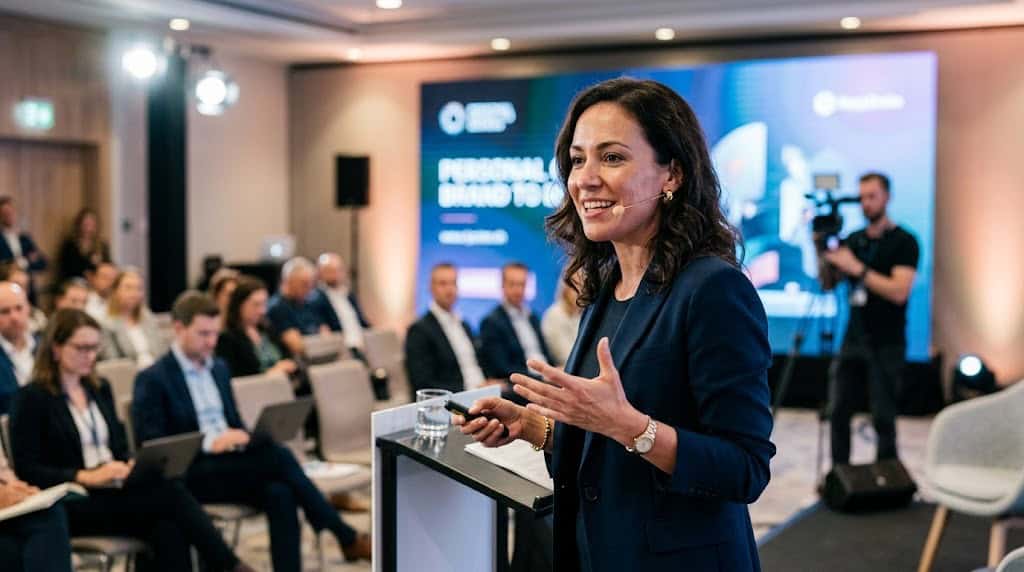
Understanding the Power of a Personal Brand
A personal brand is the public perception of an individual. It combines expertise, personality, values, achievements, and communication style into a recognizable identity.
Unlike traditional businesses that start with a product, personal brands start with a person. Audiences connect emotionally with individuals because they feel authenticity, trust, and relatability.
Successful personal brands often share several characteristics:
- A clear area of expertise
- Consistent messaging
- Strong audience engagement
- Authentic storytelling
- A recognizable image or voice
Whether someone is an athlete, creator, entertainer, consultant, or artist, their personal brand becomes an asset that can be monetized and expanded.
The Evolution from Talent to Entrepreneur
Many people begin their careers focused entirely on their craft. Athletes focus on performance. Creators focus on content. Artists focus on their work. However, as audiences grow, opportunities emerge beyond the original profession.
The typical journey follows several stages:
Stage 1: Developing Expertise
Everything starts with talent, skill, or specialized knowledge. Without a strong foundation, building a sustainable brand becomes difficult.
Professional athletes develop exceptional performance abilities. Content creators master storytelling, entertainment, or education. Entrepreneurs build expertise in solving problems.
This expertise becomes the core value that attracts attention.
Stage 2: Building an Audience
The next step is audience development.
Social media platforms, podcasts, YouTube channels, newsletters, and live events allow individuals to communicate directly with followers. As audiences grow, trust increases.
This trust is critical because people often buy from individuals they know and admire before they buy from companies.
Stage 3: Establishing Authority
Once an audience exists, personal brands begin positioning themselves as authorities within their niche.
Authority can be built through:
- Consistent content creation
- Public appearances
- Media interviews
- Educational resources
- Industry achievements
Authority transforms followers into loyal supporters and customers.
Stage 4: Creating Revenue Streams
At this stage, individuals begin monetizing their influence.
Common revenue sources include:
- Sponsorships
- Affiliate marketing
- Consulting
- Coaching
- Merchandise
- Digital products
- Membership communities
These income streams often represent the first step toward building a business.
Stage 5: Scaling into a Company
Eventually, the personal brand evolves into a structured organization.
This may involve:
- Hiring employees
- Building teams
- Creating systems
- Launching products
- Expanding into new markets
At this point, the individual is no longer just a performer or creator. They become a business owner.
How Athletes Turn Personal Brands into Businesses
Athletes are among the most successful examples of personal brands evolving into business enterprises.
Historically, athletes relied primarily on salaries and endorsements. Today, many use their visibility to launch companies that generate income long after their playing careers end.
Leveraging Reputation
Athletes often possess qualities consumers admire:
- Discipline
- Leadership
- Excellence
- Determination
These traits make them attractive business founders and brand ambassadors.
Expanding Beyond Sports
Many athletes launch businesses in industries such as:
- Fitness
- Nutrition
- Fashion
- Media
- Technology
- Wellness
By leveraging their credibility, they can attract customers more easily than unknown founders.
Building Long-Term Wealth
Athletic careers are often short. Building businesses helps athletes create sustainable income after retirement.
The most successful athletes understand that their personal brand can outlast their competitive years if managed strategically.
How Content Creators Build Companies
Content creators have become some of the most influential entrepreneurs of the modern era.
Unlike traditional celebrities, creators often own direct relationships with their audiences. This gives them unique advantages when launching businesses.
Audience First, Product Second
Many successful creators build audiences before creating products.
By listening to followers, they identify problems, interests, and opportunities. This audience insight allows them to launch products with built-in demand.
Monetization Opportunities
Creators commonly generate revenue through:
- Courses
- Memberships
- Merchandise
- Software tools
- Digital downloads
- Events
- Subscription communities
As revenue grows, these offerings often become full-scale businesses.
Community as a Competitive Advantage
Traditional companies spend millions attracting customers.
Creators often start with loyal communities already interested in what they offer. This dramatically reduces marketing costs and increases customer retention.
The Business Evolution of Entertainers
Entertainers frequently expand beyond their original careers by building commercial ventures around their public identities.
Their visibility creates opportunities in industries ranging from fashion and beauty to media and education.
Diversification Matters
Entertainment careers can be unpredictable. Smart entertainers diversify income through business ownership.
This strategy creates stability while reducing dependence on a single source of earnings.
Building Independent Assets
Rather than relying solely on performance income, entertainers increasingly focus on owning assets such as:
- Brands
- Intellectual property
- Digital platforms
- Product lines
- Production companies
Ownership creates long-term value that extends beyond active performance careers.
Anissa Kate: A Case Study in Personal Brand Development
Anissa Kate is an example of how individuals in the entertainment industry can leverage visibility and audience recognition to build broader commercial opportunities.
Like many public figures, her brand was initially built around professional performance and audience engagement. Over time, the visibility associated with her name created opportunities for collaborations, partnerships, content monetization, and broader entrepreneurial activities.
The key lesson from examples such as Anissa Kate is that audience attention itself has value. When managed strategically, recognition can become a business asset.
Successful personal branding requires more than popularity. It involves understanding audiences, maintaining relevance, and identifying opportunities to create products or services that extend beyond the original career path.
This principle applies across industries, regardless of profession or niche.
Why Trust Is the Foundation of Business Growth
Trust is one of the most valuable assets a personal brand can possess.
People follow individuals because they feel a connection. When that trust is nurtured over time, it creates business opportunities.
Trust Drives Sales
Customers are more likely to purchase products from people they already know and respect.
This explains why personal brands often achieve strong launch results when introducing new offerings.
Authenticity Creates Loyalty
Authenticity remains essential.
Audiences can quickly detect when a personal brand promotes products solely for financial gain. Sustainable businesses emerge when products align with audience needs and brand values.
Common Business Models for Personal Brands
There are several proven ways personal brands generate revenue and evolve into businesses.
Product-Based Businesses
These businesses sell physical or digital products.
Examples include:
- Books
- Clothing
- Supplements
- Templates
- Online courses
Products provide scalable income because they can be sold repeatedly.
Service-Based Businesses
Many personal brands begin by selling expertise.
Examples include:
- Consulting
- Coaching
- Speaking engagements
- Freelance services
Service businesses often generate cash flow quickly.
Media Businesses
Media-driven personal brands monetize attention.
Revenue sources may include:
- Advertising
- Sponsorships
- Premium subscriptions
- Licensing agreements
Many creators eventually transform into media companies.
Community Businesses
Communities create recurring revenue.
Examples include:
- Membership platforms
- Private groups
- Networking communities
- Educational memberships
These models emphasize long-term relationships rather than one-time sales.
Challenges During the Transition
Although personal branding offers enormous opportunities, the transition into business ownership presents challenges.
Dependence on One Person
Many businesses struggle because everything depends on the founder.
If the audience only cares about the individual, scaling becomes difficult.
Burnout
Managing content, partnerships, products, and operations can become overwhelming.
Founders often need support teams to sustain growth.
Reputation Risk
Personal brands are closely tied to public perception.
A damaged reputation can impact revenue, partnerships, and customer trust.
Scaling Operations
Growing from an individual operation to a business requires systems, processes, and leadership skills.
Many talented creators discover that business management requires an entirely different set of competencies.
Strategies for Building a Sustainable Brand Business
Successful personal brands follow several important strategies.
Focus on Long-Term Value
Short-term promotions can generate quick revenue, but long-term value comes from trust and consistency.
Develop Multiple Revenue Streams
Diversification reduces risk.
The strongest personal brands often combine:
- Products
- Services
- Partnerships
- Media revenue
- Community memberships
Build a Team
No business scales effectively with a single person handling everything.
Hiring specialists allows founders to focus on high-impact activities.
Create Systems
Systems transform personal efforts into repeatable business processes.
This enables growth without requiring constant founder involvement.
Invest in Ownership
Ownership creates lasting wealth.
Instead of relying entirely on sponsorships, successful personal brands build assets they control and benefit from over the long term.
The Future of Personal Brand Businesses
The creator economy continues to expand, making personal branding more important than ever.
Consumers increasingly prefer relationships with individuals rather than faceless corporations. As a result, personal brands are becoming powerful business engines across virtually every industry.
Advances in technology, social media, e-commerce, and digital education provide more opportunities than ever for individuals to monetize expertise and influence.
Future entrepreneurs may begin not with a business plan, but with an audience.
The ability to attract attention, build trust, and create value will remain central to business success in the coming years.
Conclusion
The journey from individual talent to business owner has become one of the defining entrepreneurial paths of the modern era. Personal brands allow athletes, creators, entertainers, Anissa Kate, and countless other professionals to transform visibility and influence into sustainable enterprises.
The process typically begins with expertise and audience building. As trust grows, opportunities emerge for products, services, partnerships, and scalable business models. Eventually, the individual evolves from performer or creator into entrepreneur and company founder.
While challenges such as burnout, reputation management, and scaling remain significant, the rewards can be substantial. Personal brands that focus on authenticity, audience value, and long-term ownership are best positioned for lasting success.
In today’s economy, a personal brand is more than a reputation—it is a business asset capable of generating influence, income, and long-term growth. Those who understand how to transform personal credibility into commercial value will continue shaping the future of entrepreneurship.